Olive Oil & Gastronomy: Blending Tunisian Tradition with American Tastes
Insights for U.S. Importers, Chefs & Gourmet Retailers
American gastronomy thrives on innovation, diversity, and bold sensory experiences. Yet, in the premium food segment, consumers and culinary professionals increasingly seek authenticity—ingredients with a true origin, a meaningful story, and an uncompromising production ethos.
Tapsus Oliva enters the U.S. gourmet landscape with a distinct advantage: a Tunisian extra virgin olive oil that respects ancestral craftsmanship while offering a flavor profile aligned with modern American culinary expectations.
1. The Tunisian Olive Oil Heritage
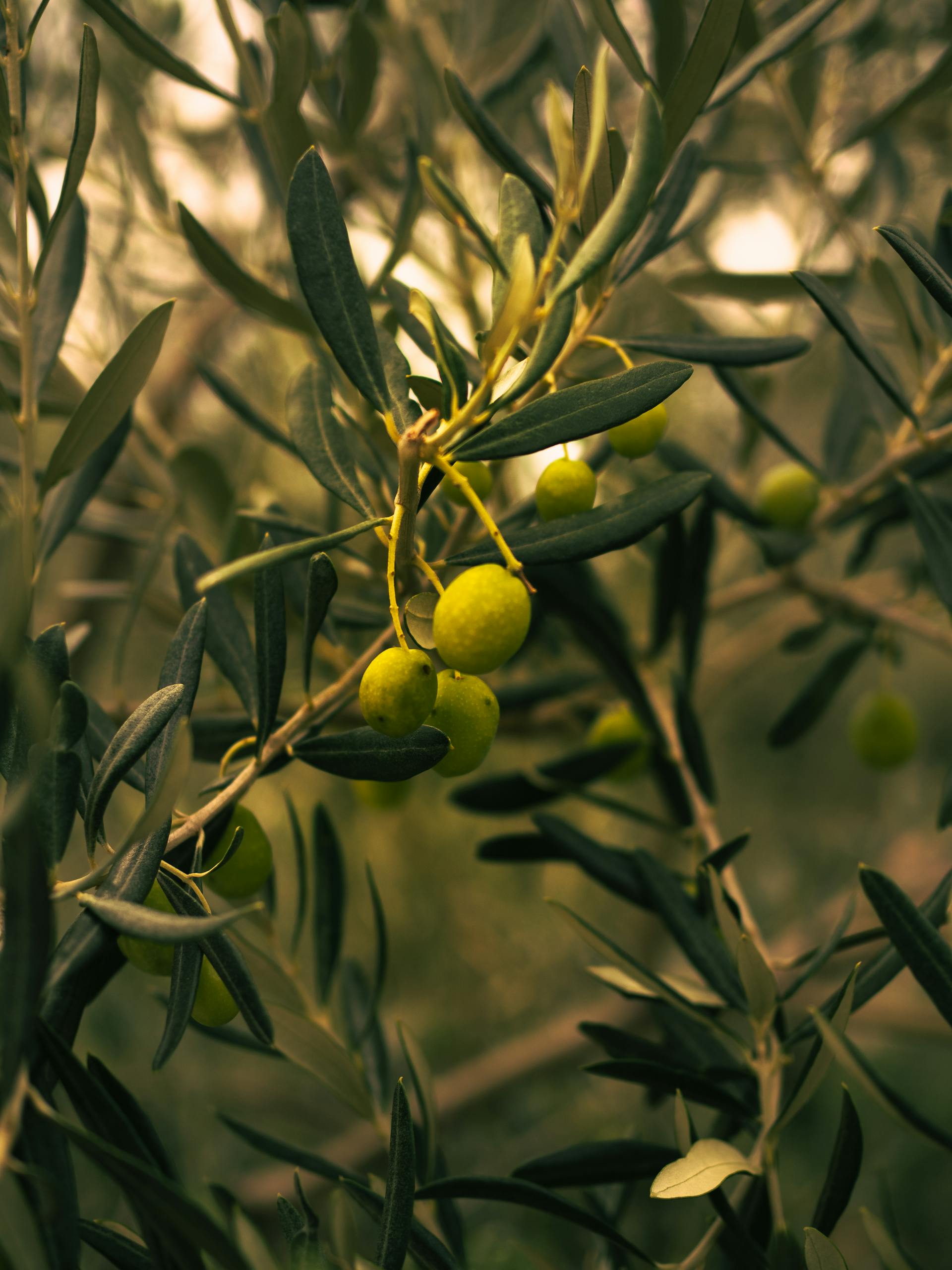
Tunisia is one of the oldest olive-growing civilizations in the Mediterranean basin. The country preserved traditional harvesting techniques, cold extraction know-how, and a generational respect for the olive tree—an agricultural pillar that shaped diets, medicine, rituals, and commerce for millennia.
At Tapsus Oliva, this heritage is expressed through:
- Hand-selected olives from Tunisian groves
- Controlled cold extraction, safeguarding natural aromas and nutrients
- A philosophy of purity, traceability, and artisanal precision
This is not simply olive oil—it is the expression of a Mediterranean legacy bottled for international appreciation.
2. Understanding the American Gourmet Consumer
The American premium food market has evolved in recent years around several dominant trends:
- Clean-label demand: Preference for natural, minimally processed ingredients
- Health-driven consumption: Rise of Mediterranean diet adoption and functional foods
- Fusion gastronomy: Blending global flavors with American classics
- Premium gifting culture: Importance of packaging, rarity, and story
- Chef-led influence: Restaurants driving product discovery and trends
Tapsus Oliva aligns with these expectations by offering a smooth yet structured sensory profile, low natural acidity, and packaging with high shelf impact.

3. Where Tunisian Olive Oil Meets American Tastes
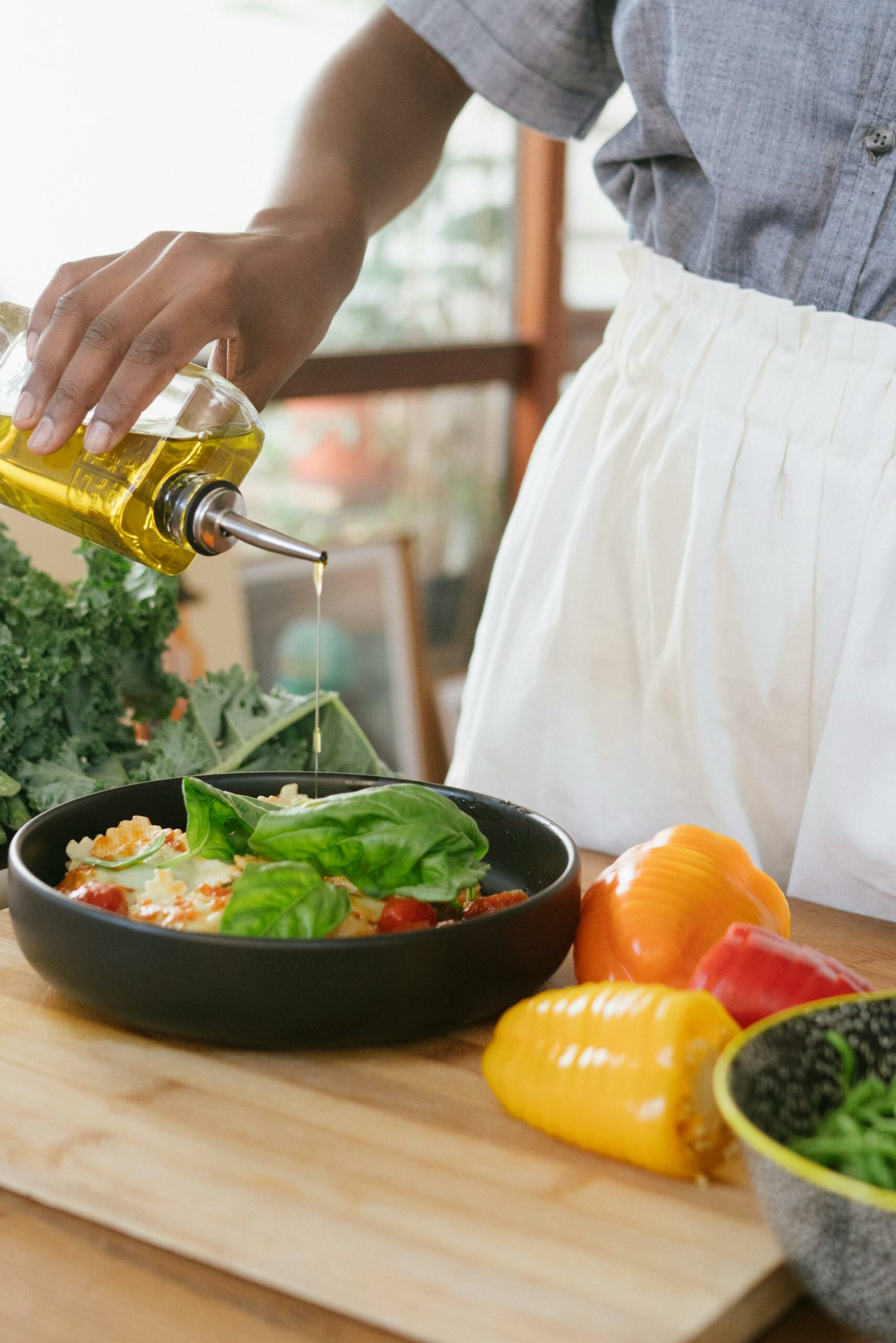
American cuisine appreciates oils that enhance flavor without dominating it. The sensory identity of Tapsus Oliva makes it ideal for applications such as:
- Raw finishing over avocado toast, burrata, roasted vegetables, or grilled seafood
- Elevated salads combining olive oil with citrus, honey, mustard, or maple-infused vinaigrettes
- Marinades for BBQ meats, roasted turkey, or chicken sandwiches
- Pizza and pasta drizzling, adding fruitiness without masking cheese or sauce.
4. The Strategic Advantage for U.S. Importers and Restaurants
For American distributors, delicatessens, and HoReCa buyers, Tunisian olive oil provides:
- Supply scalability and harvest reliability
- Authentic Mediterranean provenance
- Cold extraction expertise preserving sensory richness
- Competitive sourcing enabling premium pricing
- Narrative differentiation for marketing
Tapsus Oliva transforms this provenance into a luxury brand story that enhances reseller margins and strengthens portfolio positioning in gourmet retail and chef networks.
5. Premium Positioning Through Story and Presentation
In the American luxury food segment, product value is shaped by:
- A strong origin narrative (civilizations, Mediterranean antiquity, Tunisian terroir)
- Sensory balance and elegance
- Shelf and table presence
- Gifting appeal
Tapsus Oliva leverages all four:
- Heritage through Thapsus and Mediterranean trade inspiration
- Taste through a structured yet elegant sensory identity
- Presentation through premium glass bottling and artisanal porcelain limited editions
“A Mediterranean oil refined by history, crafted by tradition, embraced by American gastronomy.”
Conclusion
The American gourmet market is no longer driven by novelty alone—it is driven by meaning, origin, health, and curated sensory experiences. Tunisian olive oil has found its moment in the U.S., and Tapsus Oliva is positioned to become part of its premium culinary future.